
The leading nonprofit defending digital privacy, free speech, and innovation.

EFF is concerned that a new federal bill would freeze consumer data privacy protections in place, by preempting existing state laws and preventing states from creating stronger protections in the future. Federal law should be the floor on which states can build, not a ceiling.
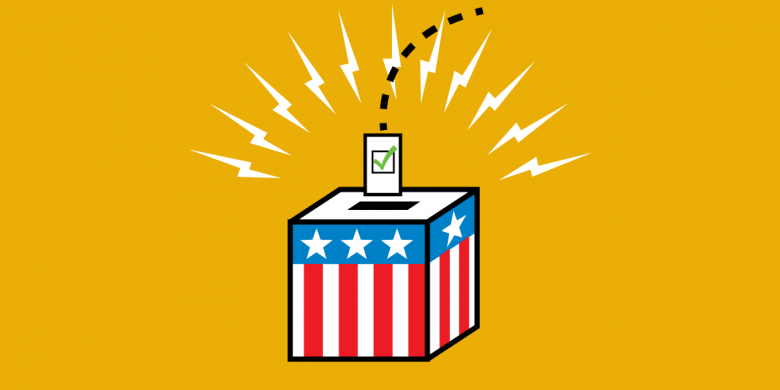
Data about potential voters—who they are, where they are, and how to reach them—is an extremely valuable commodity during an election year. And while the right to a secret ballot is a cornerstone of the democratic process, your personal information is gathered, used, and sold along the way. It's not possible to fully shield yourself from all this data processing, but you can take steps to at least minimize and understand it. Political campaigns use the same invasive tricks that...

The Federal Communications Commission (FCC) has released draft rules to reinstate net neutrality, with a vote on adopting the rules to come on the 25th of April . The FCC needs to close some loopholes in the draft rules before then. Proposed Rules on Throttling and Prioritization Allow for the Circumvention of Net Neutrality Net neutrality is the principle that all ISPs should treat all traffic coming over their networks without discrimination. The effect of this principle is that customers...
Banner Graphic:

Surveillance Self-Defense
Description:
Surveillance Self-Defense is EFF's online guide to defending yourself and your friends from surveillance by using secure technology and developing careful practices.

Banner Graphic:

Privacy Badger
Description:
Privacy Badger is an install-and-forget browser add-on that stops advertisers and trackers from secretly tracking where you go and what pages you look at on the web.